Maximizing Space: Tiny Home Design Tips and Tricks
Tiny homes have surged in popularity over the past few years, offering a unique solution to the challenges of modern living. With rising housing costs and a growing desire for minimalism, many people are turning to smaller living spaces. However, living in a tiny home doesn't mean sacrificing comfort or style. In fact, with the right design strategies, you can maximize every square inch of your space. Here are some essential tips and tricks to help you create a functional and beautiful tiny home.
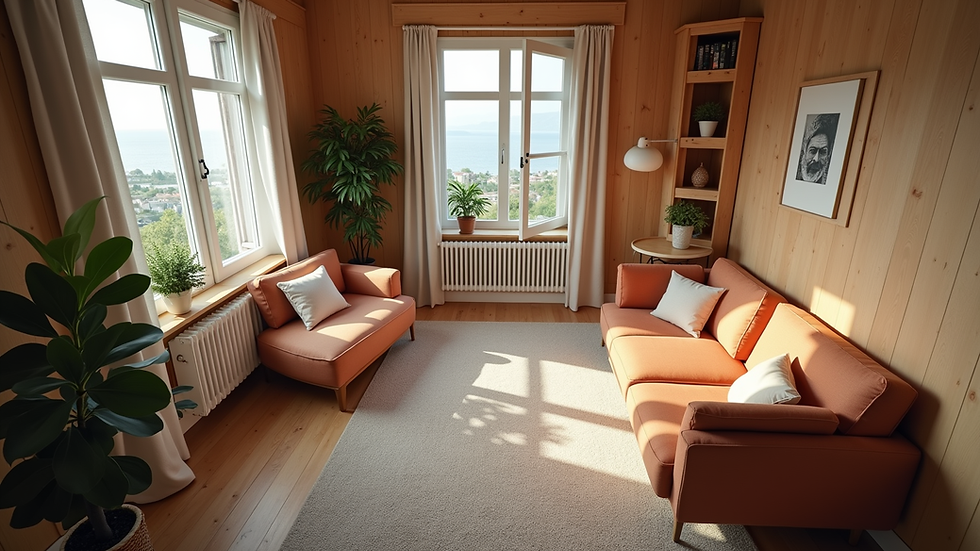
Understanding the Tiny Home Concept
Before diving into design tips, it’s important to understand what a tiny home truly is. Generally, tiny homes are defined as dwellings that are less than 400 square feet. They can be mobile or stationary and often emphasize sustainability and efficient living.
Benefits of Tiny Living
Affordability: Tiny homes are typically less expensive to build and maintain than traditional homes.
Simplicity: Living in a smaller space encourages a minimalist lifestyle, reducing clutter and stress.
Sustainability: Many tiny homes are built with eco-friendly materials and designed to minimize energy consumption.
Smart Design Strategies
1. Embrace Open Floor Plans
One of the most effective ways to maximize space in a tiny home is to adopt an open floor plan. This design approach eliminates unnecessary walls, creating a sense of spaciousness. Here are some tips for achieving an open layout:
Combine Living Areas: Merge your kitchen, dining, and living spaces into one cohesive area. This not only saves space but also encourages social interaction.
Use Multi-Functional Furniture: Invest in furniture that serves multiple purposes, such as a sofa bed or a dining table that can double as a workspace.
2. Optimize Vertical Space
In tiny homes, every inch counts, especially when it comes to vertical space. Here are some ways to make the most of your walls:
Install Shelving: Use wall-mounted shelves to store books, plants, or decorative items. This keeps the floor clear and adds visual interest.
Hang Items: Consider hanging pots and pans in the kitchen or using hooks for bags and jackets in the entryway.
3. Choose Light Colors
Color plays a significant role in how spacious a room feels. Light colors can make a tiny home feel larger and more open. Here are some color tips:
Opt for Whites and Pastels: Light shades reflect more light, creating an airy atmosphere.
Add Accents: Use bold colors sparingly as accents to add personality without overwhelming the space.
4. Create Zones
Even in a small space, it’s important to define different areas for various activities. Here’s how to create distinct zones:
Use Rugs: Area rugs can visually separate spaces, such as the living area from the dining area.
Furniture Arrangement: Position furniture to create natural boundaries between zones, such as placing a sofa to delineate the living area.
Storage Solutions
1. Under-Bed Storage
Maximize your bedroom space by utilizing the area under your bed. Here are some ideas:
Storage Bins: Use clear bins to store seasonal clothing or extra linens.
Drawers: Consider a bed frame with built-in drawers for easy access to your belongings.
2. Built-In Cabinets
Built-in cabinets can provide ample storage without taking up too much space. Here’s how to incorporate them:
Custom Designs: Work with a carpenter to create built-ins that fit your specific needs and style.
Utilize Corners: Corner cabinets can make use of otherwise wasted space.
3. Furniture with Storage
Select furniture pieces that offer additional storage options. Some examples include:
Ottomans: Choose ottomans that open up for storage of blankets or games.
Coffee Tables: Look for coffee tables with shelves or drawers for added functionality.
Lighting and Windows
1. Maximize Natural Light
Natural light can make a tiny home feel more spacious and inviting. Here are some ways to enhance natural light:
Large Windows: Install larger windows or sliding glass doors to bring in more light.
Mirrors: Use mirrors strategically to reflect light and create the illusion of depth.
2. Layered Lighting
In addition to natural light, layered lighting can enhance the ambiance of your tiny home. Consider these options:
Task Lighting: Use focused lighting for specific tasks, such as reading or cooking.
Ambient Lighting: Incorporate soft lighting to create a warm and inviting atmosphere.
Personal Touches
1. Incorporate Your Style
Even in a tiny home, it’s essential to reflect your personal style. Here are some ways to add character:
Artwork: Hang your favorite pieces of art to personalize your space.
Textiles: Use colorful cushions, throws, and rugs to add warmth and texture.
2. Greenery
Plants can bring life to your tiny home and improve air quality. Here’s how to incorporate greenery:
Vertical Gardens: Consider a vertical garden or wall planters to save space.
Small Pots: Use small pots on shelves or windowsills for easy maintenance.
Outdoor Spaces
1. Utilize Outdoor Areas
If your tiny home has outdoor space, make the most of it. Here are some ideas:
Patios: Create a small patio area with seating for relaxation or entertaining.
Gardens: Use vertical gardening techniques to grow herbs or flowers without taking up too much ground space.
2. Outdoor Storage
Consider outdoor storage solutions to keep your tiny home clutter-free:
Sheds: A small shed can store gardening tools or outdoor furniture.
Under-Deck Storage: If your tiny home is elevated, use the space underneath for storage.
Conclusion
Maximizing space in a tiny home requires thoughtful design and creativity. By embracing open floor plans, optimizing vertical space, and incorporating smart storage solutions, you can create a comfortable and stylish living environment. Remember, the key to successful tiny home living is to make every square foot count while reflecting your personal style.
As you embark on your tiny home journey, keep these tips in mind to create a space that feels both functional and inviting. Start planning your design today and enjoy the benefits of a simpler, more sustainable lifestyle.


Comments